Brain Stroke Care
Brain Stroke Care — Comprehensive Services by Dr. Chirag Gupta
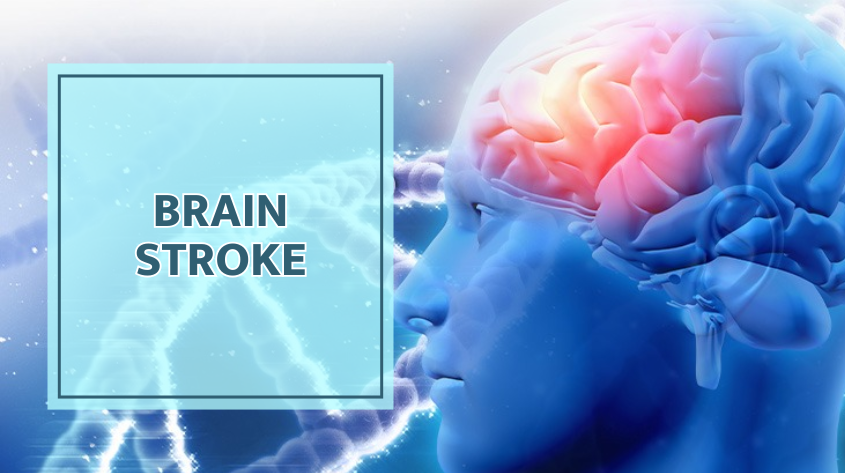
A stroke can change life in a matter of minutes. At the centre of our practice, led by Dr. Chirag Gupta, we combine rapid, evidence-based acute care with personalised rehabilitation and prevention strategies to help patients recover function, regain independence, and reduce the risk of recurrence. Our approach is compassionate, multidisciplinary and tailored to each person's goals — whether returning home, returning to work, or adapting to a new normal.
What we treat
We provide full-spectrum care for all kinds of cerebrovascular conditions, including:
- Ischemic stroke (clot-caused stroke)
- Hemorrhagic stroke (bleeding in the brain)
- Transient ischemic attacks (TIA or “mini-stroke”)
- Cerebral venous thrombosis and other rare stroke types
- Post-stroke complications such as spasticity, aphasia, dysphagia and cognitive changes
Rapid diagnosis and acute management
Time is brain. Early diagnosis and prompt treatment dramatically improve outcomes.
What we offer immediately:
- Fast-track stroke evaluation with neurological exam and focused history
- Urgent CT and/or MRI brain imaging and vascular imaging to determine stroke type and cause
- Access to intravenous thrombolysis (clot-busting therapy) for eligible ischemic stroke patients
- Coordination for endovascular thrombectomy (mechanical clot retrieval) when indicated
- Blood pressure, sugar and medical stabilization to prevent early complications
- Clear communication with families about prognosis and next steps
Our protocols are designed for speed and safety, ensuring patients receive the right therapy at the right time.
Tailored inpatient care and early rehabilitation
After acute treatment, the recovery phase begins. Early, targeted rehabilitation improves function and shortens hospital stays.
Inpatient services include:
- Daily neurological monitoring and medical optimization
- Early mobilisation and physiotherapy to preserve strength and mobility
- Speech and language therapy for communication and swallowing difficulties
- Occupational therapy to regain daily living skills and adapt the home environment
- Swallowing assessments and nutrition planning to prevent aspiration
- Psychological support and counselling for mood changes, anxiety and caregiver stress
We emphasise neuroplasticity — the brain’s ability to rewire itself — through intensive, goal-directed therapy that starts as soon as it’s medically safe.
Comprehensive outpatient and long-term rehabilitation
Stroke recovery continues long after discharge. Our outpatient programmes are personalised and results-focused.
Rehabilitation pathways:
- One-to-one physiotherapy and task-specific training (gait re-training, balance work)
- Constraint-induced movement therapy and fine motor retraining for affected limbs
- Speech therapy for aphasia and cognitive-linguistic rehabilitation
- Cognitive rehabilitation for memory, attention and executive function deficits
- Spasticity management including botulinum toxin therapy and targeted physiotherapy
- Tele-rehabilitation options for remote monitoring and home-based exercises
Progress is measured in meaningful functional terms — getting dressed, preparing a meal, returning to work or school — not just clinical scores.
Secondary prevention and risk modification
Preventing a second stroke is a priority. Our approach combines diagnostics, medication and lifestyle strategies.
Key components:
- Comprehensive vascular risk assessment (hypertension, diabetes, lipids, atrial fibrillation, carotid disease)
- Personalised secondary prevention plan: antiplatelets or anticoagulation where indicated, statins, and blood pressure control
- Lifestyle counselling: smoking cessation, diet, physical activity, sleep and alcohol moderation
- Cardiac evaluation and rhythm monitoring to detect atrial fibrillation or other cardiac causes
- Carotid artery assessment with Doppler/CTA and referral for revascularisation when appropriate
We partner with cardiology, endocrinology and dietetics so patients receive coordinated, practical preventive care.
Multidisciplinary team & patient-centred planning
Stroke care is teamwork. Dr. Chirag Gupta is supported by a multidisciplinary team that may include neurologists, interventional neuroradiologists, physiatrists, physiotherapists, speech therapists, occupational therapists, dietitians and clinical psychologists. Together we create a personalised recovery plan aligned with each patient’s values, home situation and goals.
Family education and caregiver support
A stroke affects the whole family. We prioritise education so caregivers feel confident and supported:
- Practical training for transfers, mobility and safe feeding
- Guidance on medications, follow-up and warning signs of recurrence
- Emotional support and connection to peer groups and community resources
- Planning for home modifications or assistive devices when needed
Why choose our service
- Evidence-based, time-sensitive care: Protocols designed to deliver the right treatment rapidly.
- Continuity across the care pathway: Acute treatment, inpatient rehabilitation and long-term prevention under one coordinated plan.
- Patient-focused goals: Therapy tailored to what matters most to the patient — independence, family roles, work.
- Transparent communication: Clear explanations of diagnosis, options and realistic recovery timelines.
- Accessible follow-up: Regular review and easy access to advice via teleconsultation if needed.
Realistic expectations and hope
Stroke recovery varies widely. Some people recover quickly, others progress slowly over months or years — many make meaningful gains with the right support. We set realistic milestones while always working to maximise recovery and quality of life.
Frequently asked (short)
- How soon should I come to the hospital? Immediately: for stroke symptoms every minute counts.
- Can strokes be prevented? Many are preventable with risk control — blood pressure, diabetes, smoking and heart rhythm management are key.
- Will therapy make a difference months later? Yes. Recovery can continue for months and sometimes years with focused therapy.